
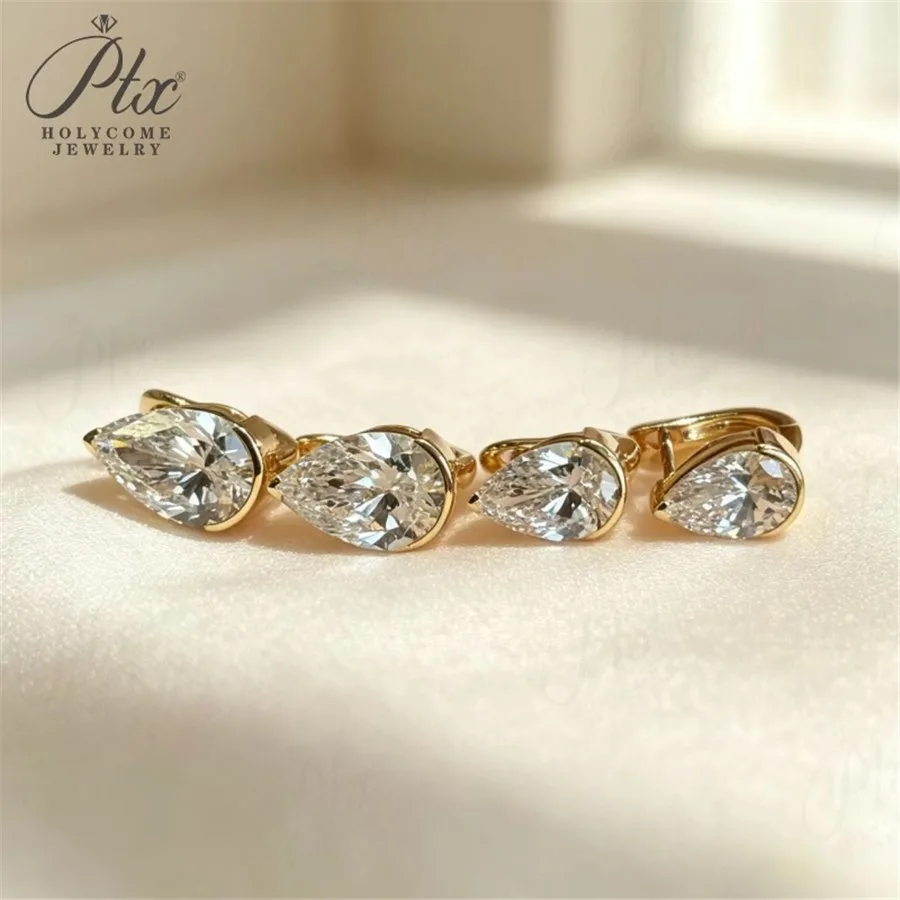
Bottom line: lab grown diamonds are not winning because buyers were argued into them, but because the same visual result now costs a fraction of the mined equivalent, and retailers who can explain that difference honestly are closing more sales at healthier margins.
Why the Shift Is Structural, Not Fashionable
Two forces are doing the work. The first is cost. Growing a diamond in a reactor has a cost curve that keeps improving as capacity and technology develop, while mining a comparable stone carries exploration, extraction and long logistics that do not get cheaper. At the same carat weight and similar visual quality, a lab grown stone can therefore reach the counter at a fraction of the mined price. The second force is supply breadth: growers can now deliver consistent, certified stones in sizes and shapes that were previously awkward to source at volume, which makes lab grown practical for repeatable wholesale programmes rather than one-off purchases.
Industry reports suggest lab grown diamonds now account for a significant and rising share of diamond jewelry sold in several major markets, although the exact figure depends on whether you count carats, pieces or retail value. For a wholesale buyer, the direction of travel matters more than any single number, and that direction has been consistent for years.
Where Lab Grown Wins, and Where It Does Not
| Attribute | Mined diamond | Lab grown diamond | What it means for your catalog |
|---|---|---|---|
| Origin and traceability | Extracted, long and complex chain | Grown, short and documented chain | Traceability is now a selling point for younger buyers |
| Price at equal size | High and volatile | Materially lower, more predictable | Lets customers buy a larger stone inside the same budget |
| Certification | Widely graded | Widely graded by recognised labs | Always ship documentation; it removes the main objection |
| Secondary market | Established resale channel | Thinner resale channel | Sell it as jewelry, not as an investment, and say so |
| Customer narrative | Rarity and tradition | Value, consistency, ethics | Two different customers; carry both if your market supports it |
| Strongest use cases | Heirloom and investment-led purchases | Bridal, studs, tennis bracelets, men's pieces | Most volume sits in repeatable everyday categories |
What Your Customers Will Ask
- Is it a real diamond? Yes. It is the same material with the same physical and optical properties; only the origin differs. Say it exactly like that, because vague answers lose the sale.
- Why is it cheaper? Because it is grown rather than mined. Do not apologise for the price; explain the cost structure.
- Will it hold value? Be honest. Lab grown stones have a thinner resale market. A customer buying an investment needs a different conversation than a customer buying jewelry.
- Are the stones certified? Holycome supplies GRA certification for its moissanite line, and documentation for lab grown stones can be requested with each order.
- Can you match a stone I already own? Ask for certificate numbers and exact dimensions; consistent grading is what makes matching possible.
A Sourcing Checklist for Lab Grown Programmes
- Ask for stone certificates to be shipped with the order, not offered as a favour.
- Confirm silver content with an material composition record if you buy 925 silver mounts; Holycome is also operating our own four-stage quality system for social compliance.
- Check whether plating is done in-house. Holycome operates its own 800 square meter plating plant, which keeps finish and colour stable between batches.
- Sample before committing. Holycome provides 7-day rapid sampling and a 30-day risk-free guarantee.
- Work with a manufacturer that has done this at scale: more than 18 years of OEM and ODM production, 100+ clients and exports to 100+ countries.
Next step: decide which three categories in your catalog shift to lab grown first, then price them against your existing mined assortment so the value difference is visible on the shelf. Send your stone specifications to service@holycome.com or request a quote at /contact-us/ and ask for certificate formats, sample stones and plating options.