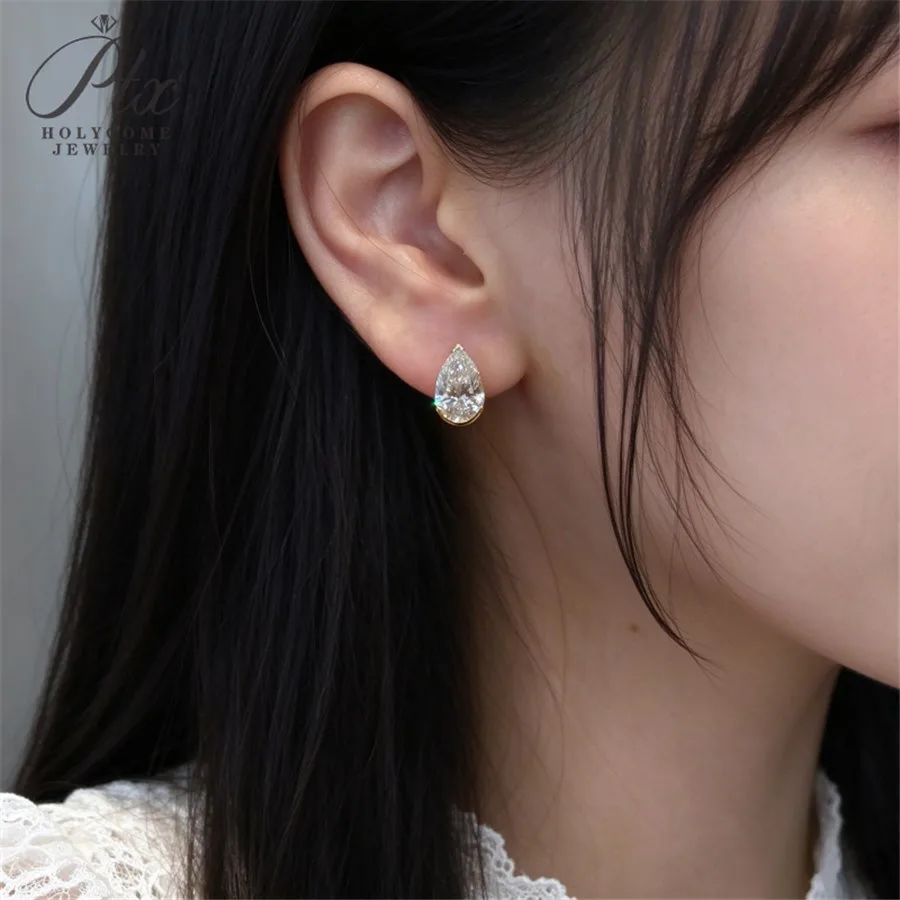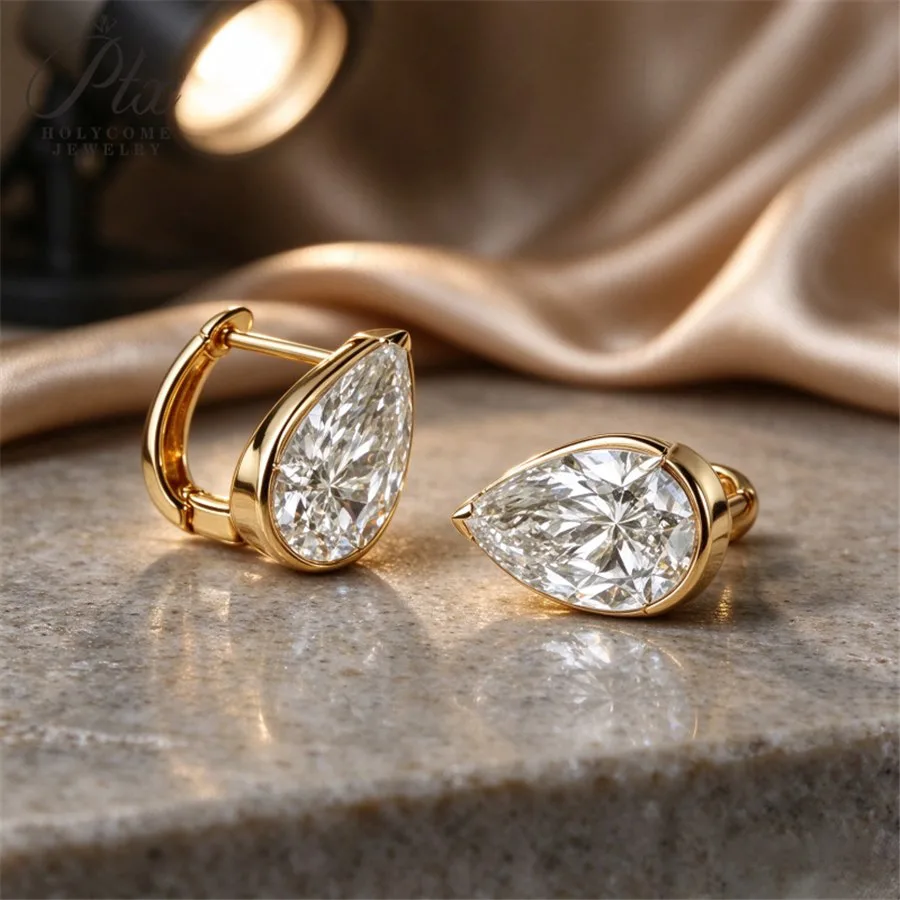

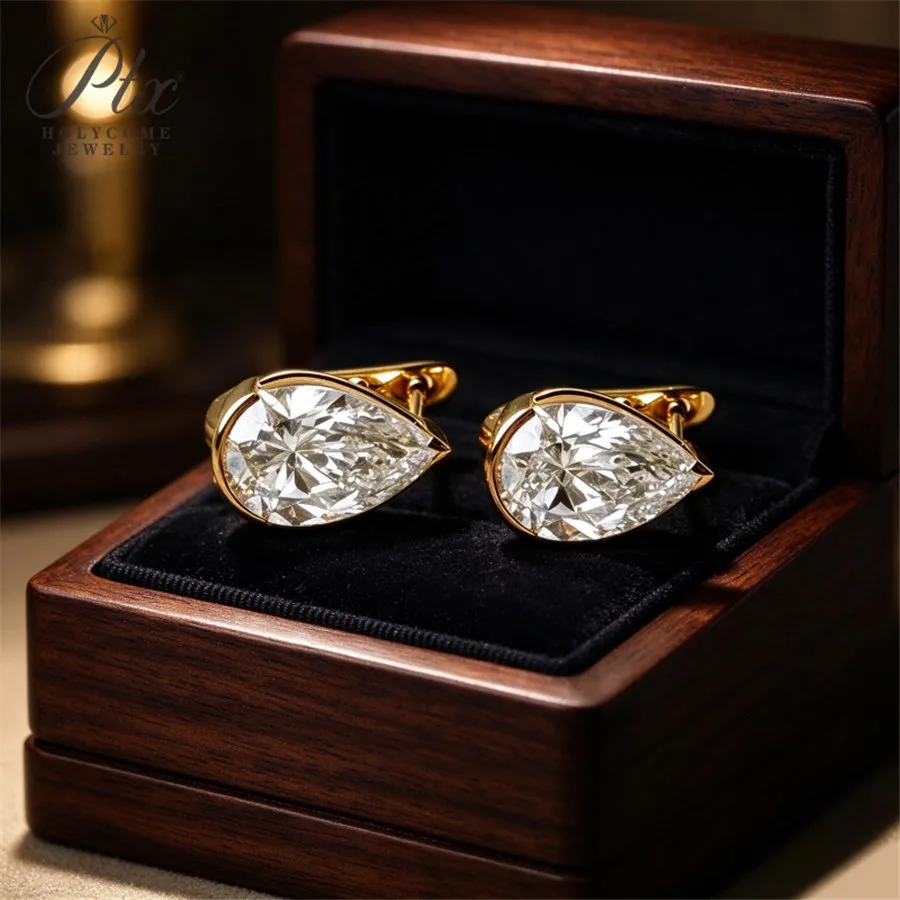
For lab-grown diamonds the 4Cs still work, but the weighting changes. Grown supply naturally clusters in the top color and clarity bands, so color and clarity are often commodity features rather than genuine differentiators, while cut quality and real millimeter spread are what the customer actually sees on the hand. Build an assortment on the 4Cs in the same order the natural diamond trade used for decades and you will pay for specifications nobody notices. Here is how to reweight each C for lab-grown buying, and how to write it into a request for quotation.
Color and clarity: where the value is, and where it is not
Most lab-grown production lands between D and G color and between VS and SI clarity, so a D color VS1 stone is not scarce in the way the same specification is in natural goods. For melee and small stones, paying the step from G up to D buys nothing a customer can see with the naked eye. As-grown CVD material can carry a brown undertone that is removed by post-growth annealing; the finished stone is still a lab-grown diamond, but the treatment should be disclosed and the price differs between the two. Ask your supplier whether the stone is as grown or treated, and put the answer in writing.
The 4Cs, reweighted for lab-grown
| C | What to check in lab-grown material | Practical buying choice |
|---|---|---|
| Cut | Cut grade, proportions, symmetry and polish; windows, fisheye effects, heavy bow-tie, very thin girdles | Spend here first. Cut drives brilliance and it is the most visible upgrade per dollar |
| Color | Color band and undertone (brown, gray, blue); as grown versus annealed | D-F for hero and bridal stones; G-H is indistinguishable in small sizes and saves budget |
| Clarity | Inclusion type: metallic flux inclusions in HPHT, pinpoint clouds in CVD; eye cleanliness at 10x | VS2 to SI1, eye clean, is the value band for most retail programs |
| Carat | Actual millimeter spread, depth percentage, and matching inside pairs | Compare measurements before price; deep cuts weigh more but face up smaller |
| Documentation | Growth method, treatment status, report from a recognized laboratory | Record it on the order and disclose the treatment where one applies |
A spec sheet you can paste into an RFQ
- Material: lab-grown diamond, with growth method stated (CVD or HPHT).
- Treatment status: as grown, or annealed, stated in writing.
- Size: carat range and the corresponding millimeter range, with tolerance.
- Color band and clarity band, expressed as a range rather than a single grade.
- Cut grade or, for melee, proportions, polish and symmetry expectations.
- Documentation: IGI or GIA report for certified sizes; written parcel specification and matched color for melee.
- Matching requirement: pairs, suites and side stones matched within the parcel.
- Setting and finish: 925 silver or brass with gold plating, plating color and thickness, hallmarking or assay needs.
- Commercial terms: quantity per size, packaging, sampling expectation and delivery window.
Melee and certified stones are two different buying processes
From about 0.5 ct upward, buy per stone with a report and verify the report number against the laboratory's online database before you pay. For melee, per-stone certificates are neither practical nor economic, so buy to a written parcel specification: color and clarity ranges, matched color within the parcel, and an agreed sampling method. Whichever route you take, inspect arrivals at 10x, photograph every batch under consistent lighting, and keep a sealed reference parcel so the next reorder has something concrete to be compared against. That single habit prevents most grade disputes.
Where a manufacturer adds value
Holycome has run OEM and ODM jewelry production for more than 18 years for 100+ clients, exporting to 100+ countries. We work with lab-grown diamonds, lab-grown gemstones, moissanite, 925 silver and brass with gold plating from our own 800 sqm plating facility. We provide GRA documentation for moissanite, material composition records for silver and brasss, and our factory is operating our own four-stage quality system. Our 7-day sampling lets you approve cut, color and spread in hand before production, and the 30-day risk-free guarantee covers the gap between a sampling run and a bulk order. Email your specification to service@holycome.com through /contact-us/ and we will quote against it line by line.