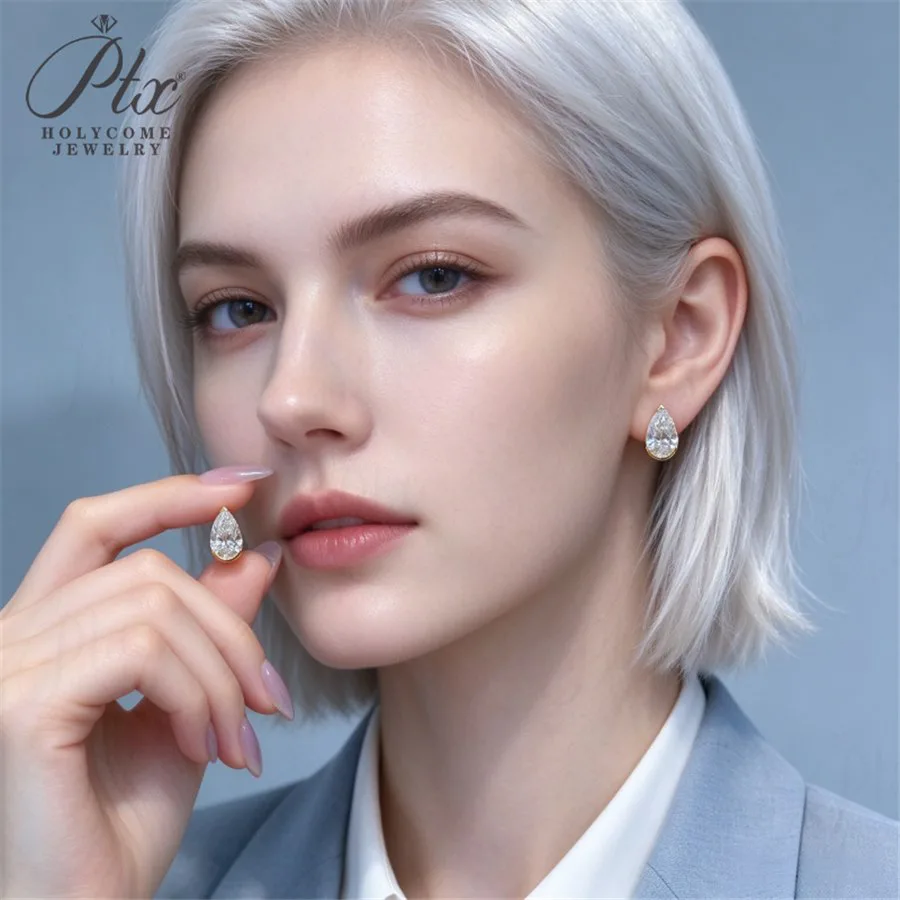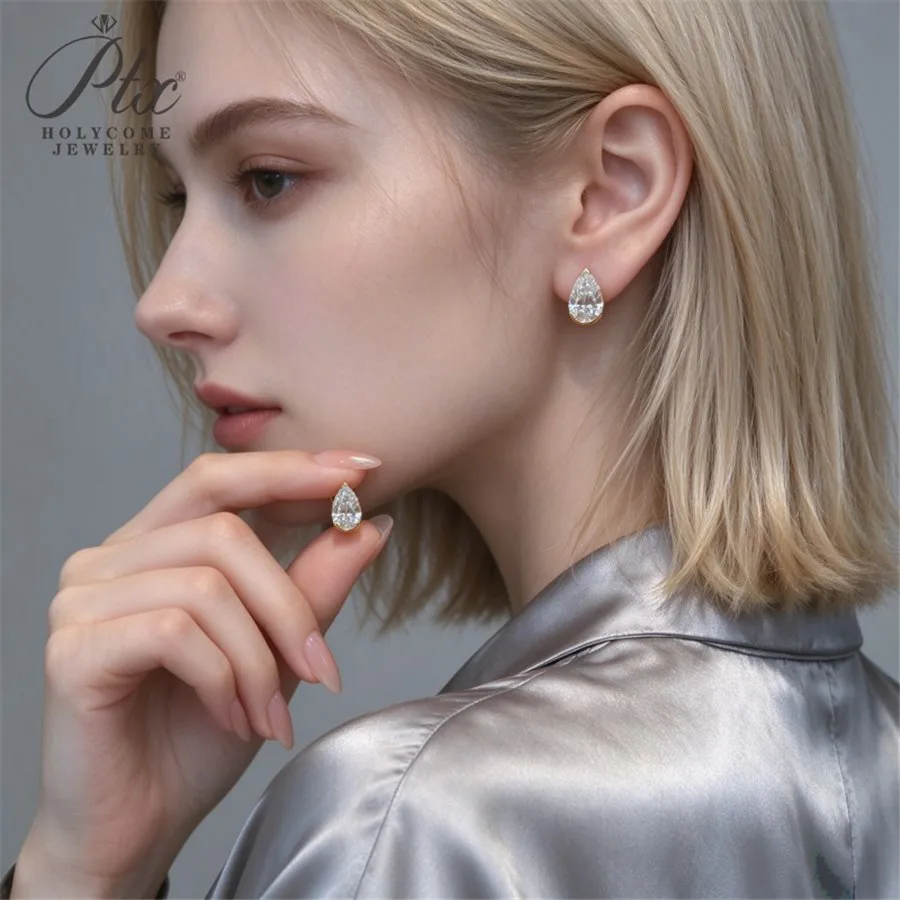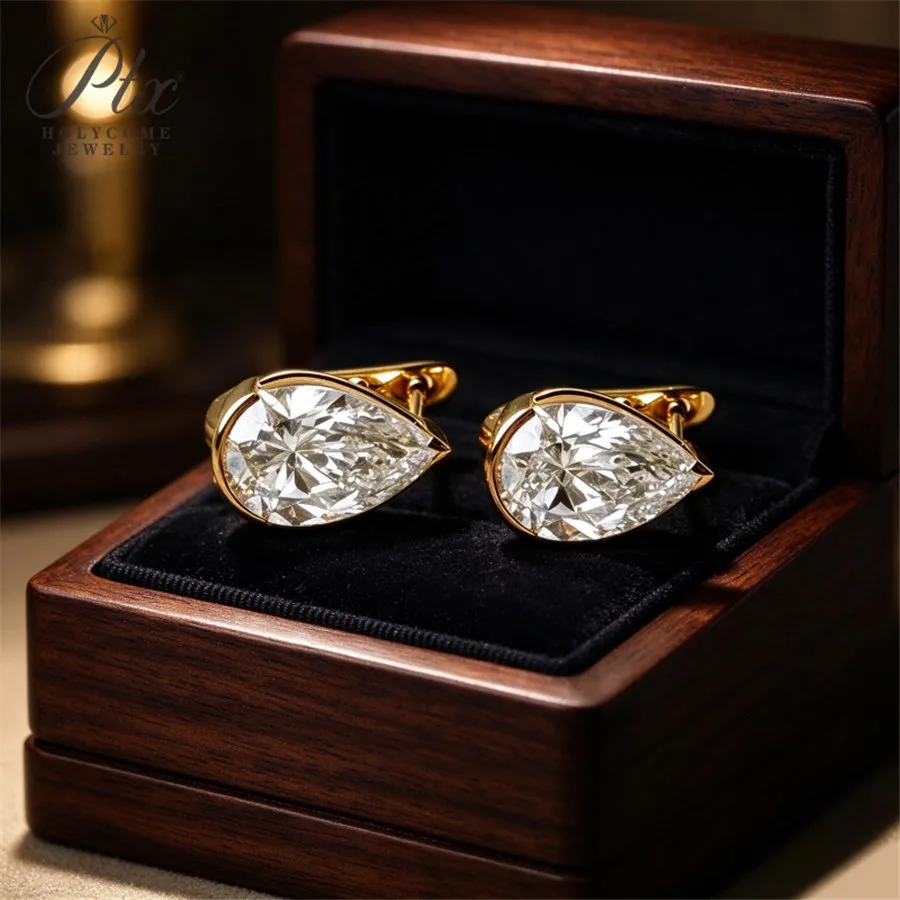

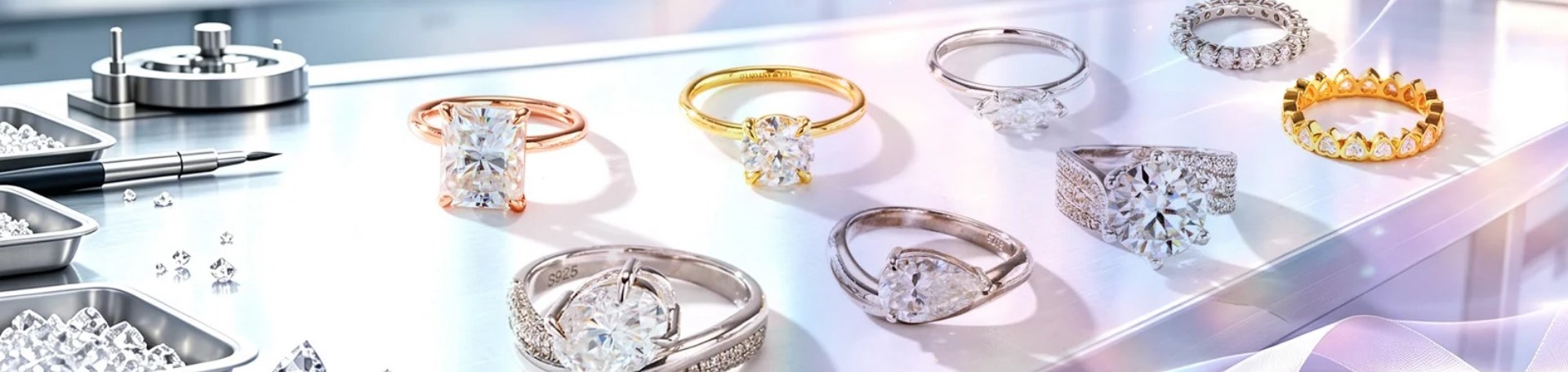
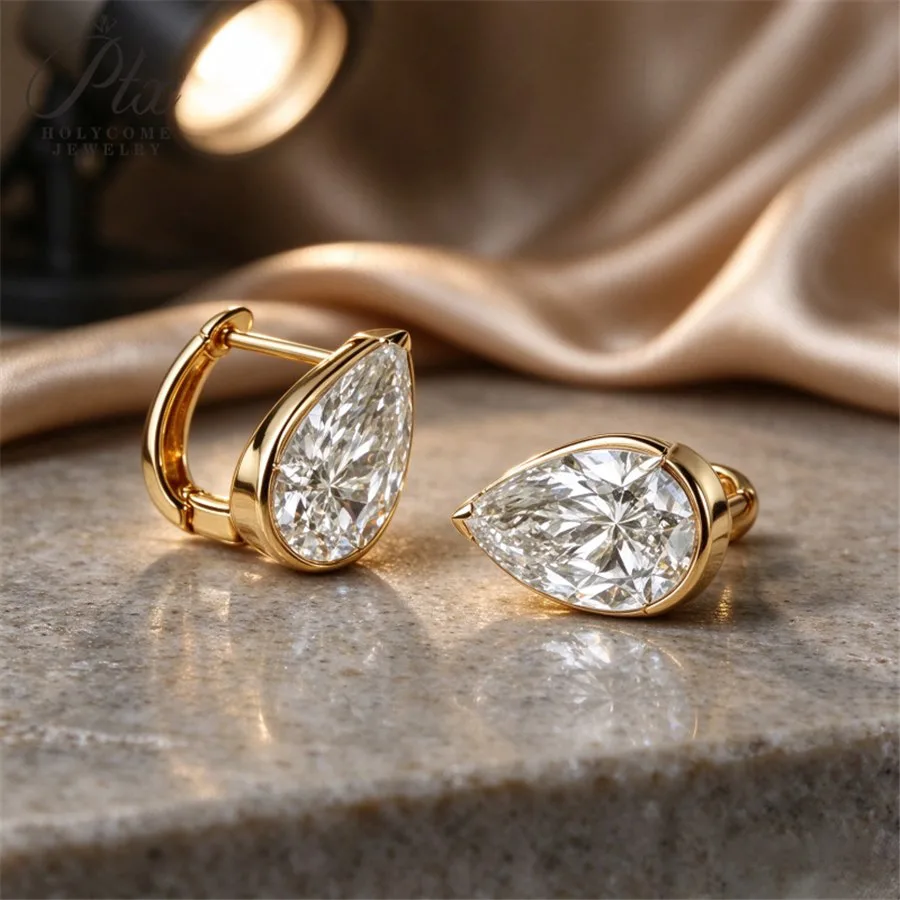
In OEM the buyer owns the design and the factory manufactures it. In ODM the factory owns the design and the buyer selects it, usually adding branding. OEM costs more and protects your differentiation; ODM is faster and cheaper and puts your design in other people's catalogues.
Most jewellery brands we work with end up running both at once: ODM for fast-moving basics that fund the business, and OEM for the two or three signature pieces that define it. Choosing deliberately, rather than by accident, is what keeps a brand from becoming a reseller.
The comparison that matters
| Factor | OEM | ODM |
|---|---|---|
| Design ownership | Buyer | Factory |
| Exclusivity | Can be exclusive by agreement | Usually non-exclusive |
| Setup cost | CAD, mould and sample fees | Minimal to none |
| Time to market | Sampling cycle first | Often immediate |
| MOQ | Higher per style | Lower, sometimes mixed |
| Branding | Logo, tags, packaging | Logo and packaging only |
Choose OEM when
- Your design is the reason customers buy from you, and copies would hurt.
- You need a specific stone layout, hinge or clasp that stock designs do not have.
- You are building a collection with a consistent design language.
- You can absorb a sampling cycle and a per-style setup fee.
Choose ODM when
- You need revenue in the next few weeks and cannot wait for tooling.
- You are filling gaps: studs, simple chains, stackers, gift items.
- You are testing a new market and do not yet know what sells.
- Your differentiation is branding, photography and service rather than design.
There is a third path worth knowing: ODM plus modification. Take a stock design, change the stone grade, the plating colour or the pendant drop, and you get a semi-signature piece at close to ODM economics. It is the fastest way to look like a brand while you save for full OEM.
Terms to settle in either model
In OEM, agree in writing who owns the CAD files and moulds, whether the design is exclusive to you and for how long, and what happens to tooling if you leave. In ODM, agree whether you may register the design, whether the factory will sell the same piece to a competitor in your market, and how quickly a design can be retired.
In both, put the specification on paper: metal, stone type and grade, plating colour and thickness, dimensions, target weight and packing. Certification follows the material — GRA for moissanite, our own material test records for silver content and brass raw material, our own four-stage quality control for consistency.
Holycome has more than 18 years of OEM and ODM jewellery experience, more than 100 customers and exports to more than 100 countries, with an 800 sqm in-house plating plant and a 7-day sampling capability. Send your design intent to service@holycome.com, or begin at our contact page, and we will tell you honestly which model gets you to market faster.